Ariadne’s Tribe is a fully inclusive path, open to people of any race, ethnicity, gender, sexual orientation, ability level, disability, geographic location, language, education, or socio-economic status. Though you need to be over 18 years of age to formally join the tradition, minors are welcome to attend events when accompanied by their parents or guardians.
We are an organization of autonomous, self-governing local chapters and solitary practitioners who have freely chosen to pursue common goals together. We are a revivalist path that seeks to engage in a practice that is both aware of and relevant to the challenges and blessings of the modern world. These goals include connecting with the Minoan deities in the context of modern spiritual practice, as well as connecting with people from other traditions who have similar ideals and goals for fellowship and ritual.

The term “Minoan” is not the name the ancient people of Crete used for themselves. It was popularized by Sir Arthur Evans as he began the archeological exploration of Knossos in the early 20th century. Though we appreciate the contributions he made to our knowledge of Bronze Age Crete, we do not subscribe to his discredited opinion that the Minoans were Aryans, and you will not find “white identity” politics in our rituals, gatherings, or groups. White supremacy and other kinds of bigotry are expressly forbidden in our Official Policies and will result in offenders being removed from our events and social media platforms as well as from membership in Ariadne’s Tribe.
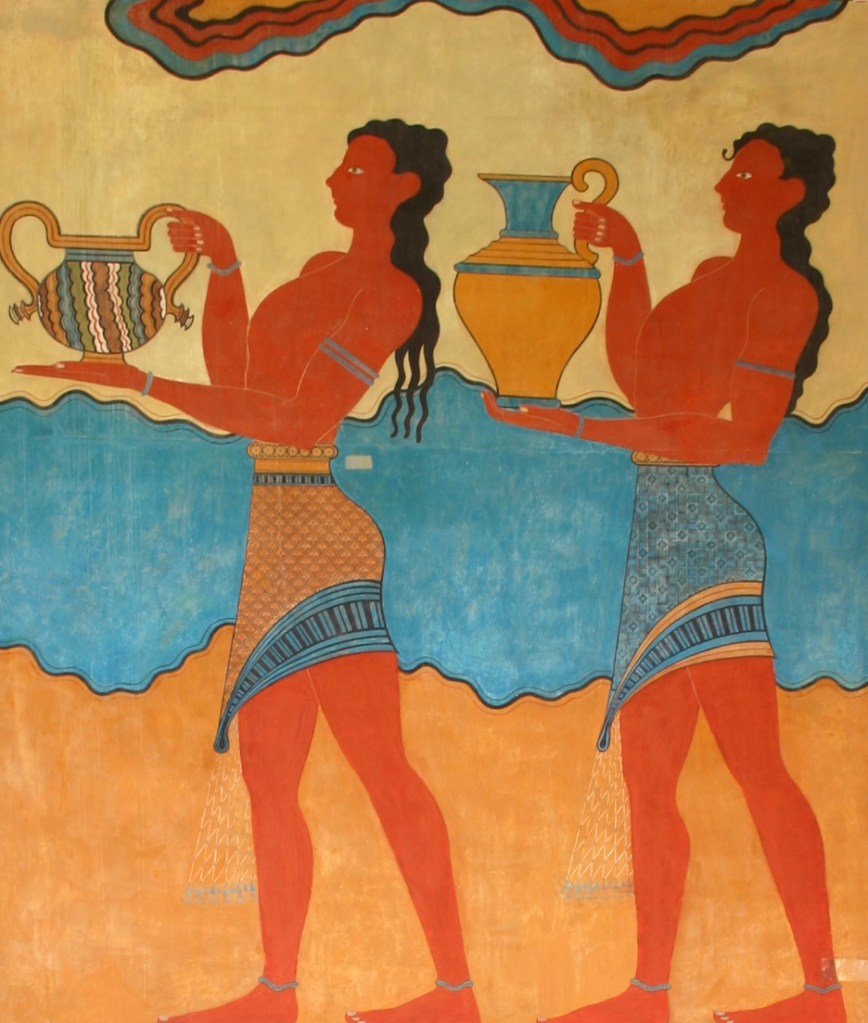
We use the term “Minoan” because it has become the commonly-understood contemporary term for the people, culture, and deities of ancient Crete. We’re an independent spiritual tradition, not related to any other group or tradition that uses the term “Minoan.”
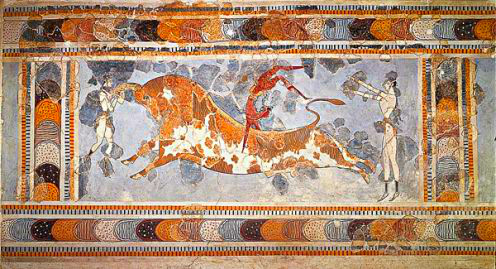
There is no requirement for ethnic heritage or ancestry from Crete in order to be part of Ariadne’s Tribe. As a group, we do not claim to originate from Crete or to be genetic descendants of the ancient Minoans. This path was founded in 2014 by a small online community of people from around the world. Our first Board of Directors were four individuals who have spent most of their lives in North America. We came together because of a shared desire to create a meaningful spiritual practice in the modern world.
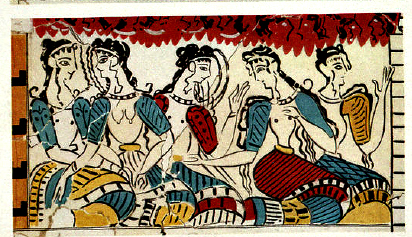
Ariadne’s Tribe is a cultural activity, and cultures have always been flexible and able to reach across national and genetic boundaries to encompass those who felt called to join them. We are interested in creating a connection with the deities and worldviews that were common over 4,000 years ago on the island of Crete, and before that in the places the Minoans’ ancestors came from, in what is often called Old Europe during the Neolithic era. It was not a time without tensions, but it was a time when people were grouped by what they did and which deities they worshiped more than by skin color or political boundaries.
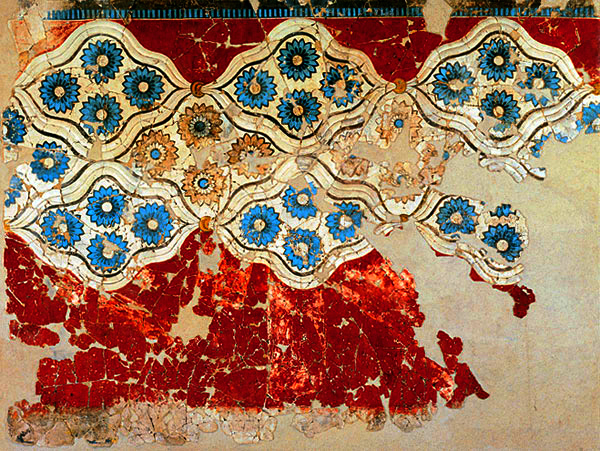
Through ongoing study and active spiritual practice , we seek to revive connections to the beauty and wonder that inspire us in what has come down to our era from Minoan times.

You must be logged in to post a comment.